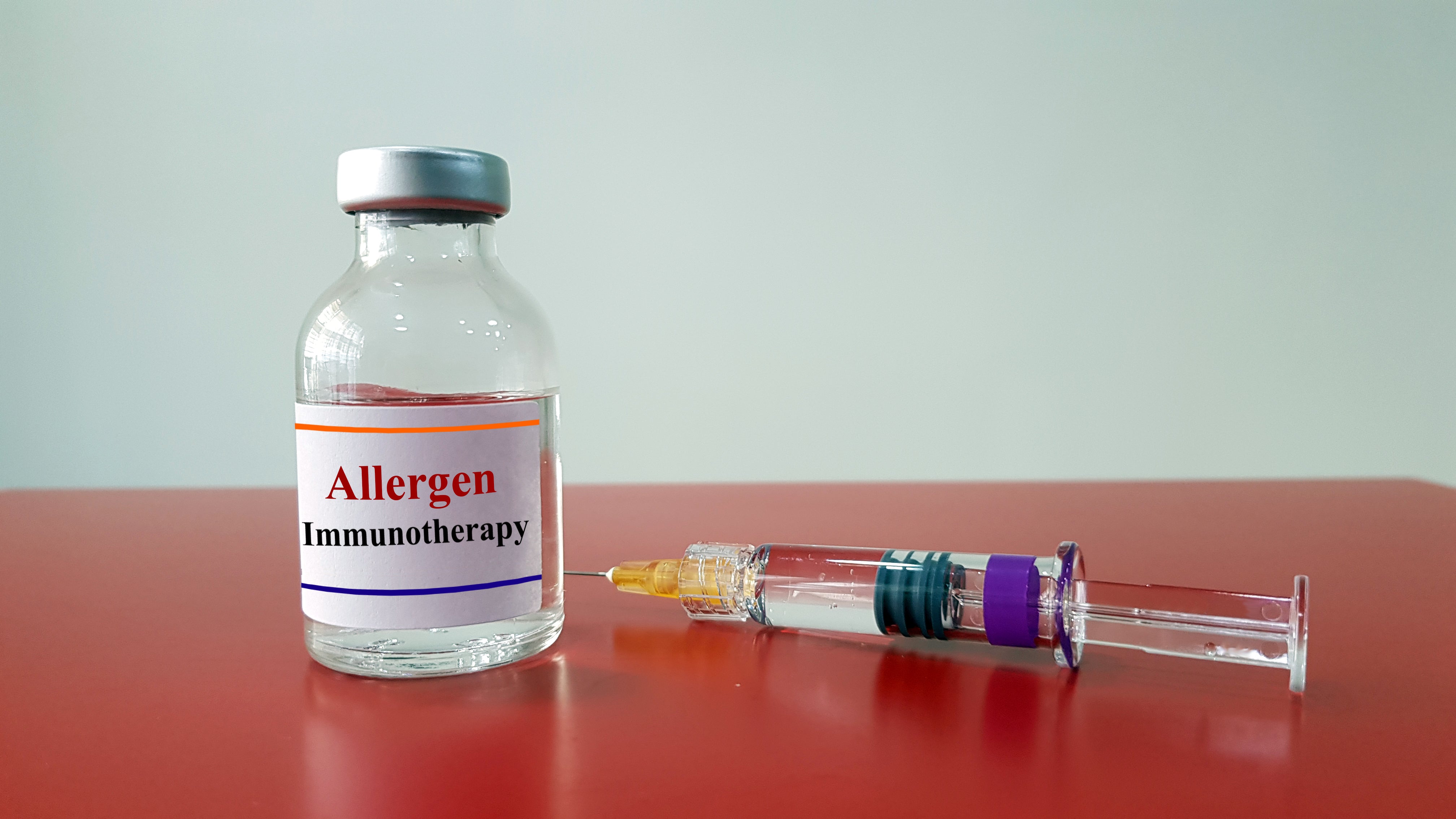
Allergy Shots vs Drops
This article offers a clear, head-to-head comparison of allergy drops and allergy shots to help you choose the allergy treatment option that best fits your needs.

Allergy immunotherapy is the closest treatment to an allergy ‘cure’. It involves gradually increasing the dose of the allergen or substance to which a person is allergic, thereby making the immune system less sensitive to it.
There are two major types of allergen immunotherapy: allergy drops and allergy shots. In this article, we will compare them side by side so you can decide which is the best fit for you.
What are allergy shots?
An allergy shot is a form of allergy immunotherapy that involves injecting a small dose of allergens just under the skin of your arm or thigh, with the dose gradually increasing over time.
These shots help your body develop a tolerance to the allergen's effects and, over time, can even eliminate your symptoms or reduce allergy sensitivities. (1)
Allergy shots are currently the most common form of allergy immunotherapy. (2)

What are allergy drops?
Allergy drops are a type of sublingual immunotherapy that involves placing a small dose of allergens formulated as a drop under the tongue daily.
The other type of sublingual immunotherapy, allergy tablets, involves placing a tablet under the tongue. However, while allergy drops can treat broader and different types of allergens, allergy tablets can only treat one type of allergens like grass, ragweed, and dust mite. (2)
While allergy shots and allergy tablets have been approved by the FDA, allergy drops are not and are currently used off-label to manage allergies. (2)

Drops vs Shots
Here are some head-to-head differences between allergy shots and drops:
1.Cost
In general, allergy shots have a higher upfront cost, up to $4000 annually. However, allergy injections can be covered by insurance, which means you may be able to pay less once you’ve hit your deductible.
There are other costs to consider when you choose to take allergy shots, even if they are covered by insurance.
One of these is the copay cost, and the cost of injection administration can add up with each clinic visit. You may also have to factor in the cost of transporting yourself to the allergy clinic each time to receive your shots, as well as time away from work.
Allergy drops are not covered by insurance, so you have to cover all costs out of pocket. The cost of an allergy drop can range from $100 to $300 per month or up to $ 2,000 per year, depending on location and clinic pricing.
One study found that while allergy drops appear more expensive due to lack of insurance coverage, the indirect costs associated with allergy shots can make them more expensive or even closer in cost to allergy drops, especially for patients with less than 80% coverage. (3)
2. Effectiveness
Allergy shots have been a proven treatment for allergies for more than 100 years and are recognized as the most effective allergy treatment. (2) Lab tests also show that allergy shots show more favorable immune changes compared to drops.
While allergy drops are a newer form of immunotherapy, some studies show they are just as effective as allergy shots in managing allergies. (4) Allergy symptoms significantly decreased after one year of allergy drop treatment, and the effect appears to be sustained for years. (4)
Curious about how long allergy medications take to work? How Long Does Allergy Medicine Take to Work?
3. Treatment range
Allergy shots and allergy drops both have a wide range of uses in managing different allergens, including pollens, house dust, insect stings, animal dander, and molds. (2) They also provide long-lasting relief for allergies.
Both allergy medications can be used for other allergic conditions, such as allergic otitis media (ear infection) and allergy-related asthma. (2, 5) However, allergy shots appear to be used more often to manage allergic otitis media.
4. Treatment duration
Allergy shots are usually given once weekly or more, depending on the severity of your allergy (mild, moderate, or severe allergies), for about 7 to 12 months. After this, your injection frequency may be reduced to about every 2 to 4 weeks for 3 to 5 years or longer, depending on your response. (2)
Allergy drops are usually given one to three times a day, depending on the clinic's treatment regimen.
At Quello, we typically recommend our patients take three drops per day. However, we can alter this depending on your immune response, especially when starting a new bottle.
Allergy drops are taken for about 3 to 5 years, and the recommended treatment duration at Quello is 4 years for lasting allergy relief.
5. Insurance
Allergy shots can be covered by insurance. You may only need to cover your copay (between $20 and $100) and the administration fee, provided you have met your premium and deductible.
In general, allergy drops are not covered by insurance; however, you may be able to pay for your treatment tax-free using a health savings account.
6. Risks
In general, research suggests that allergy drops have a better safety profile than allergy shots. However, both carry a risk of anaphylaxis (a severe allergic reaction). (6) Although this is rare in both shots and drops, there is a much lower risk of anaphylaxis with allergy drops.
Some symptoms of an anaphylactic reaction to allergy shots and drops include throat swelling, chest tightness, and wheezing. (7)
You may need to have an emergency epinephrine injector on standby. Talk to your healthcare provider about how to use this.
Allergy shots may also have other side effects, like redness and swelling at the injection site. Other reported side effects include dizziness, hives, cough, and flushing.
Allergy drops may cause mild swelling or itching of the lips, throat, and tongue, especially in the first week of starting this treatment. (8)
Other reported side effects include nausea, vomiting, a thick throat, and diarrhea. (8)
7. Convenience
Allergy shots might be given in a doctor’s office to manage any potential anaphylactic shock or adverse reactions that occur with injections. As a result, it includes multiple trips to the allergist’s office, which can add up in time and cost.
Allergy drops, on the other hand, offer more convenience, comfort and flexibility. You can take them from the comfort of your home or on the go while traveling to another city.
8. Who Is Eligible for Allergy Shots vs. Allergy Drops?
Both allergy shots and allergy drops can be used by adults and children. However, it's generally recommended to avoid allergy immunotherapy in children under 5 because they may be less able to express discomfort during an allergic reaction. (9)
You may also not be eligible for allergy shots or drops if: (7)
-
You have heart disease
-
You are diagnosed with uncontrolled asthma
-
You are pregnant
If you have any underlying health conditions, you should talk to your healthcare provider before committing to allergy immunotherapy.
In addition, you cannot use allergy drops if you have open mouth sores, mouth ulcers or are undergoing dental procedures until you have healed.
Summary of allergy shots vs drops
If the differences between allergy drops and shots feel like a lot to take in, here’s a quick snapshot to help:
|
Factors |
Allergy shots |
Allergy drops |
Quello |
|
Cost |
More expensive (about $4000 annually) if not covered by insurance. It may be more affordable if covered. |
May cost up to $2000 annually. |
Around 1000$ annually, no charge for any follow-up appointments |
|
Effectiveness |
It has been proven effective for managing allergies for over 100 years. |
Newer therapy. Just as effective as allergy shots. |
Just as effective as allergy shots. |
|
Treatment range |
Can manage a wide range of allergens. |
Can manage a wide range of allergens. |
Can manage a wide range of allergens. |
|
Treatment duration |
Treatment can last about 3 to 5 years. |
Treatment can last about 3 to 5 years. |
4 years |
|
Insurance |
May be covered by insurance |
Generally not covered by allergy insurance |
Can use HSA and FSA plans |
|
Risks |
Anaphlaxis (rare), redness, and swelling at injection site |
Mild swelling or itching of the lips, throat and tongue, in the first week of starting this treatment |
Mild swelling or itching of the lips, throat and tongue, in the first week of starting this treatment |
|
Convenience |
Not flexible. Several trips to the doctor’s office. |
Very Flexible. Does not require trips to the doctor’s office. |
Most convenient treatment available |
|
Eligibility |
It can be used by adults and children older than 5. |
It can be used by adults and children older than 5. |
It can be used by adults and children older than 5. |
Start taking control of your allergies at night today and get better, refreshing sleep.

Drops vs Shots - which should you get?
There is no one-size-fits-all answer to which allergen immunotherapy is the best fit for you. It all boils down to personal preference. However, if convenience and ease of use are at the top of your list, then allergy drop may be the best for you.
Achieve Long-Lasting Allergy Relief Without Frequent Doctor Visits with Quello Allergy Drops
If convenience and effectiveness matter to you, then choose Quello Allergy Drops. Our personalized allergy drops are formulated by leading allergists, and we guide you through every step of the process: from your first order to long-term allergy relief.
Ready to take control of your allergies? Get started with Quello today.
Have more questions? Visit our FAQs for quick answers, or schedule a free consultation with our allergy specialists.





Overcome your allergies at home with our doctor-led therapy.
Get started with our free allergy test kitGet Started with no test needed.
Overcome your allergies at home with our doctor-led therapy.
Get started with our free allergy test kitGet Started with no test needed.