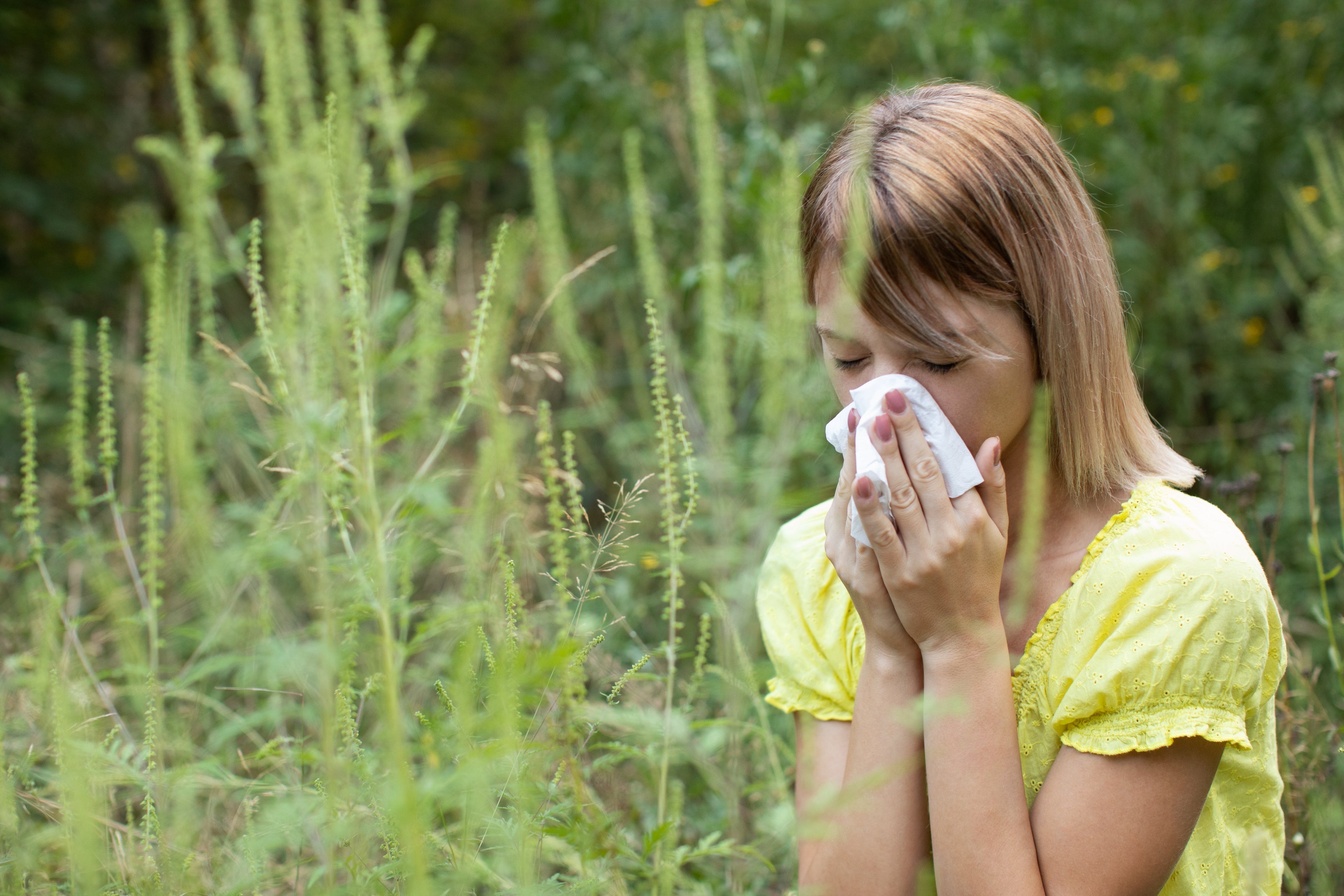
How to Treat Ragweed Allergy: Symptoms, Causes, and Treatment Options
Ragweed allergies tend to flare up in late summer and early fall, depending on where you live. Find out what causes ragweed allergies, common symptoms and how they can be treated.

Ragweed allergy affects almost 50 million people in the U.S from summer into early fall. (1) Every state in the US, except Alaska, has to deal with ragweed pollen.
There are ways to manage, prevent, and potentially “cure” ragweed allergies, including preventive measures, medications, and immunotherapy. (2)
This article explains what a ragweed allergy is, its common symptoms, and available treatment options. You will also learn about the common foods to avoid if you experience ragweed allergies.
Find out how Quello allergy drops can help you enjoy an allergy-free ragweed season.
What is a Ragweed Allergy?
Ragweed allergy is simply an allergy to ragweed pollens. If you have a ragweed allergy, you will mostly have allergy symptoms when ragweed pollen is in the air because your immune system overreacts to this pollen. However, it's always best to have an allergy test to know for sure.
A pollen is a fine or coarse powdery substance produced by plants when they reproduce. While for many plants this is a natural process, the National Institute of Environmental Health Sciences notes that it is a “source of seasonal misery for many Americans”. (3)

Ragweed is a weed, known for its greenish flowers on tall spikes. (4) A single ragweed plant can produce up to 1 billion pollen grains, which are very light and can easily travel or float through the air into our bodies, causing allergies.
Ragweed grows throughout the United States, especially in the Eastern (New York, Florida, Massachusetts, Pennsylvania) and Midwestern states (Nebraska, Ohio, Michigan, Minnesota). (1)
Common ragweed (Ambrosia artemisiifolia) is the main cause of ragweed allergies in the US. (5)
When is Ragweed Allergy Season?
Ragweed is an annual plant, meaning it grows and dies within a year. Typically, the weed starts growing in early spring and dies by late fall. (2)
Ragweed allergy season typically peaks from late summer into early fall, depending on where you live. (1) Fall allergies are primarily caused by ragweed pollen in the air.
Many ragweed-allergy symptoms in the fall typically start in mid-August and run through September. (6) However, they extend through October in many parts of the country. Peak ragweed season is often mid-September.
In general, ragweed allergy seasons may last up to 10 weeks, until the first frost. (7) However, some parts of the US may have year-round pollens in the air, which can lead to persistent allergy symptoms. (7)
Causes and Symptoms of Ragweed Allergies
Ragweed allergies occur because your system treats ragweed pollen as a foreign invader. (6) As a result, your body releases chemicals like histamine in the bloodstream that can cause an allergic reaction to develop.
That said, you can only develop a ragweed allergy after being exposed to ragweed pollen, which sensitizes your immune system over time to react to these allergens. (6)
Some common symptoms of ragweed allergy include:
-
Sneezing
-
Runny nose
-
Nasal congestion (stuffy nose)
-
Headaches (Read here to know how to manage headaches caused by allergies)
-
Irritated eyes
-
Itchy throat
-
Post-nasal drip
-
Fatigue
-
Swelling around the eye
The higher the ragweed pollen levels you are exposed to, the more severe your symptoms. Reducing exposure to ragweed pollens or starting allergy treatment may help improve your ragweed allergy symptoms.
If you constantly suffer from hay fever and symptoms in the late summer or fall, consult your allergist for testing to rule out ragweed allergy.

Ragweed Allergy Treatments
Here are some ways you can manage or treat ragweed allergies: (2)
1. Avoid or limit exposure to ragweed pollens
Reducing your exposure to ragweed pollens can significantly lessen symptoms. Some ways to reduce ragweed pollen exposure include:
-
Limit outdoor activities during peak ragweed pollen season (i.e, mid-September)
-
Keep windows closed during the day and consider using air conditioning during the summer.
-
Close your car window when the pollen count is high.
-
Shower and change your clothes immediately after you get indoors
-
Wear masks when outdoors during ragweed allergy season.
-
Use the National Allergy Bureau pollen count tracker to help plan outdoor activities when pollen levels are lowest.
2. Use allergy medications
Ragweed allergy symptoms can be treated with allergy medications such as: (2)
-
Oral and intranasal antihistamines (fexofenadine, cetirizine)
-
Intranasal corticosteroids (fluticasone, budesonide)
-
Leucotriene receptor antagonists (montelukast, zafirlukast)
-
Intranasal decongestants (Oxymetazoline, Xylometazoline)
-
Intranasal mast cell stabilizers (Cromolyn Sodium)
For allergy medicines to work well to provide relief from a ragweed allergy, you have to start them at least two weeks before pollen season starts. However, keep in mind that most allergy medicines only provide temporary relief from ragweed allergies.
Healthcare providers often recommend oral antihistamines such as fexofenadine and cetirizine as first-line treatment for ragweed allergy due to their lower risk of side effects. (2) However, intranasal antihistamines may provide more rapid relief of allergy symptoms, such as a stuffy or runny nose, caused by ragweed allergies. (2)
In addition, despite their effectiveness in managing nasal symptoms, patients using intranasal corticosteroids such as fluticasone should avoid long-term use due to potential side effects, including epistaxis (nosebleeds). (2)
3. Treat The Root Cause With Immunotherapy
Allergen immunotherapy (allergy shots or drops) is recommended for patients with ragweed allergy who do not achieve adequate symptom relief from regular allergy medications or those who cannot reduce pollen exposure. (2)
Allergy drops and shots are also the treatment of choice for patients seeking long-term relief from ragweed allergies rather than just symptom management.
Researchers have found that both allergy shots and drops using ragweed have sustained allergy relief even after treatment ends. (2)
How do immunotherapies work for ragweed allergies?
Ragweed allergen immunotherapy helps treat ragweed allergies by retraining your immune system to better tolerate the allergen. (2)
This treatment not only reduces your symptoms (especially nasal and eye allergy symptoms) but could also prevent or slow the development of other allergies, includingragweed-induced asthma. (8,9)
Both allergy drops and shots are effective, safe (with minimal side effects), and a more cost-effective option than prolonged treatment with conventional allergy medicines.
Allergy shots have a risk of anaphylaxis (Severe allergic reaction), although it is quite rare, with only about 1.1% of cases reported. (10)
Ready to start addressing ragweed allergies at the source?
Quello allergy drops use high-quality, FDA-approved ragweed allergen extracts to help reduce symptoms over time. Begin with a free allergy test to find out your major allergy triggers.

Foods to Avoid If You Have Ragweed Allergy
Ragweed pollen allergy can trigger itching or swelling in or around your mouth when you eat certain foods, as a result of a cross-reaction of ragweed pollen and these foods. (11) This is referred to as Pollen Food Allergy Syndrome (PFAS), also known as oral allergy syndrome.
Some foods to avoid if you experience seasonal ragweed allergy include: (11, 12)
-
Banana
-
Zucchini
-
Sunflower seeds
-
Cucumber
-
Melons
-
Soybean
-
Hazel nuts
Research suggests that cooking these foods may reduce or eliminate allergic reactions in people with PFAS. (11) This is because heat breaks down the proteins in foods, making these allergens unrecognizable to the immune system.
Let Quello help you say Goodbye to Ragweed Allergies
Have a ragweed-free allergy season this summer and fall by starting ragweed allergen immunotherapy with Quello Allergy Drops today.
Quello Allergy Drops are simple, painless, and convenient, with no needles and no frequent trips to the doctor’s office. Start with a free allergy test and consultation with our allergists to find out whether ragweed is the main cause of your seasonal allergy symptoms.
We also offer a free allergy discovery visit with a specialty-trained Quello provider for anyone who wants to learn more about allergies.



Overcome your allergies at home with our doctor-led therapy.
Get started with our free allergy test kitGet Started with no test needed.
Overcome your allergies at home with our doctor-led therapy.
Get started with our free allergy test kitGet Started with no test needed.