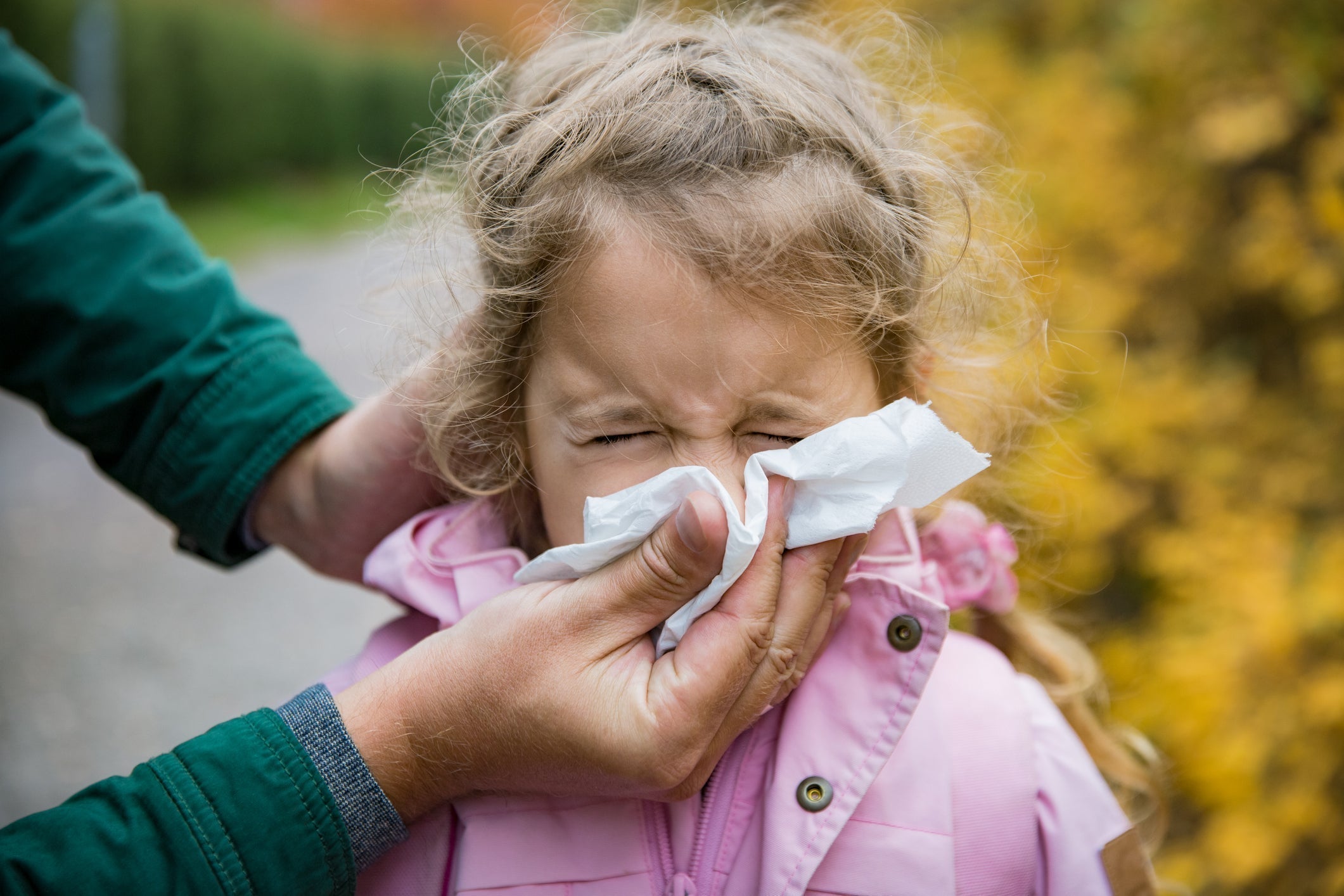
Allergies in Kids: What I Want Parents to Know as a Nurse Practitioner and Mom
When does a runny nose become more than normal kid stuff? Learn how to recognize allergies in kids and manage symptoms without having them miss out on school or the things they love.

As a parent, you always have a lot to worry about. Did my kids eat enough? Sleep enough? Did we read today? Did they get enough fresh air without too much heat?
When your child suffers from environmental allergies, it can be tough to know how much energy to put into this concern amongst all the other things you’ve got on your list.
As a mom of two young boys who now specializes in allergy management, my work has shaped how I think about kids and allergies.
Kids are resilient. Even knowing a morning at the park will mean an afternoon of sneezing and a nonstop runny nose, that’s not keeping them from playing.
As their parent, what’s the balance between trying to minimize allergen exposure without having them miss out? How frequently do you want to be medicating them? Do they even have allergies, or is this just normal kid stuff?
Even if symptoms aren’t dramatic or debilitating, have they become persistent and consistent enough to really impact your child? Are you overreacting? Underreacting? This constant guesswork is so frustrating and difficult to navigate.
Understanding Childhood Allergies
Childhood allergies occur when a child’s immune system overreacts to a generally harmless substance, called an allergen. (1) This immune response releases chemicals such as histamine, which cause allergy symptoms.
Your child can develop allergies at any time, often after age 2. Many everyday substances can trigger allergies in children. (2) Common triggers include:
-
Pollens: tree pollen, grass pollen, and weed pollen
-
Indoor allergens: pet or animal hair or fur, dust mites, mold
-
Irritants: cigarette smoke, perfume, car exhaust
-
Foods: peanuts, eggs, milk and milk products

Identifying and managing your child’s allergies early can improve their quality of life, reduce missed school days, and help you avoid repeatedly taking time off work to care for them.
Some common allergy symptoms in children may include:
-
Runny and itchy nose
-
Nasal congestion
-
Itchy, watery or red eyes
-
Sneezing
-
Postnasal drip
-
Fatigue
4 Tips to Manage Allergies as a Parent
Here are some low-maintenance tips for managing environmental allergies.
Even if symptoms aren’t dramatic or debilitating, have they become persistent and consistent enough to really impact your child? Are you overreacting? Underreacting? This constant guesswork is so frustrating and difficult to navigate.
Understanding Childhood Allergies
Childhood allergies occur when a child’s immune system overreacts to a generally harmless substance, called an allergen. (1) This immune response releases chemicals such as histamine, which cause allergy symptoms.
Your child can develop allergies at any time, often after age 2. Many everyday substances can trigger allergies in children. (2) Common triggers include:
-
Pollens: tree pollen, grass pollen, and weed pollen
-
Indoor allergens: pet or animal hair or fur, dust mites, mold
-
Irritants: cigarette smoke, perfume, car exhaust
-
Foods: peanuts, eggs, milk and milk products
For practical ways to manage dust mites, pet dander, and mold, read How to Reduce Indoor Allergens in Your Home.
Identifying and managing your child’s allergies early can improve their quality of life, reduce missed school days, and help you avoid repeatedly taking time off work to care for them.
Some common allergy symptoms in children may include:
-
Runny and itchy nose
-
Nasal congestion
-
Itchy, watery or red eyes
-
Sneezing
-
Postnasal drip
-
Fatigue
Wondering whether your child might outgrow their allergies? Read Can Allergies Go Away Over Time?.
4 Tips to Manage Allergies as a Parent
Here are some low-maintenance tips for managing environmental allergies.
1. Reduce Exposure to Your Child’s Allergy Triggers
Minimizing exposure (without keeping them from playing as kids should!) can help keep symptoms at bay. If your child has pet dander allergies, get them in the habit of washing their hands as soon as they are done touching any animals, and teach them to avoid touching their faces after touching pets.
2. Consider an air purifier in your child’s bedroom
An air purifier will help reduce exposure to inhalant allergens while they sleep, so you have less “clean-up” in the mornings. If your child has mold sensitivity, a dehumidifier may also be helpful.
3. Shower After Outdoor Play to Reduce Pollen Exposure
Adjust routines so that your child showers as soon as possible after coming in from outside if pollen allergies are a big trigger.
4. Use Nasal Suction to Clear Congestion in Young Children
For young children, nasal suction, either with a bulb syringe or electric aspirator, is a quick task that is far more time-efficient and effective than your toddler blowing raspberries. At the same time, you desperately pinch their nose with a tissue and hope they understand the mechanics of blowing their nose soon.
5. Use Moisturizing Tissues or Wipes for a Sore Nose
Pre-moistened wipes or moisturized tissues reduce discomfort when wiping your nose, so kids are less likely to run as if their lives depend on it when they see the Kleenex coming.
Why I Take Allergy Symptoms in Children Seriously as an NP and as a Mom
I’m a nurse practitioner, so unless my kid shows up with a limb falling off, I’m hard-pressed to get too worked up about the run-of-the-mill schoolyard illnesses or injuries. But as an NP and allergy specialist, I now realize seasonal allergies aren't something to brush off.
While the obvious manifestations of sneezing, itchy eyes and a runny nose are annoying, I hadn’t realized the more subtle impacts that allergies have on kids’ overall health and well-being.
Just because allergies aren’t dangerous doesn’t mean they aren't important. And just because they’re not life-threatening doesn't mean they don’t diminish quality of life.
For example, chronic nasal congestion can lead to mouth breathing and poor sleep quality, which then impacts overall energy and focus. (3, 4) This can, in turn, impact school and
extracurricular performance, as well as social interactions, especially as kids get older and worry more about their image and how they present themselves,
Furthermore, runny noses, irritated skin from constant nose blowing, sneezing, a congested voice, and red eyes can dramatically affect self-esteem.
Particularly since the Covid-19 pandemic, the social dynamics around allergy symptoms have become much more complicated. Kids can be judged or ostracized by their peers if they’re perceived as being constantly sick and contagious- even if they themselves know the symptoms are all allergy-related.
What Should You Do if You Think Your Child Has Allergies?
If you are concerned about your child’s allergies, talk to your pediatrician or an allergy specialist. They can guide you toward whatever treatment approach is best for your child to give them needed relief and give you one less thing to worry about.

Get Free AT-Home Allergy Testing For Your Child
Curious about what substance in the environment might be triggering your child’s allergy?
Quello offers an at-home allergy test that screens for 40 common indoor and outdoor environmental allergens, followed by a consultation with a licensed provider to review the results and discuss treatment options. Quello currently works with patients ages 4 and older.
Have more questions? Visit our FAQs for quick answers, or schedule a free consultation with our allergy specialists.
Wondering if your child has allergies or a cold? Read our guide: Does My Child Have Allergies or a Cold?



Overcome your allergies at home with our doctor-led therapy.
Get started with our free allergy test kitGet Started with no test needed.
Overcome your allergies at home with our doctor-led therapy.
Get started with our free allergy test kitGet Started with no test needed.