What are allergies?
Allergies occur when the immune system reacts to a substance it considers harmful. Common triggers include pollen from trees, grasses, and weeds, pet dander, mold, and dust mites. Reactions range from mild to severe.


Sources: US EPA, 2016, PNAS, 2021, CDC/NCHS Data Brief 545, 2024
Allergies occur when the immune system reacts to a substance it considers harmful. Common triggers include pollen from trees, grasses, and weeds, pet dander, mold, and dust mites. Reactions range from mild to severe.
Symptoms vary by allergy type but often include:
Symptoms may be more severe depending on seasonality. Recognizing early signs helps with faster management.
Allergy tests measures IgE levels in your blood. This helps identify which seasonal and environmental allergens trigger your symptoms. Testing is crucial in determining the most effective method of treatment.
Track real-time pollen levels across the US with this 5-day forecast.


Tree pollen is a fine, powdery substance released by trees as part of their reproductive process. Pollen can be large or too small to be seen. When tree pollen travels through the air or is carried by the wind, it can settle on the eyes, nose, or mouth and trigger allergy symptoms. In the U.S., tree pollen is often the leading cause of allergies in February and April. However, in some southern states in the U.S. such as Florida, Georgia, and Alabama, some trees may produce pollen as early as December or January. Common tree pollen that triggers allergies includes oak, birch, cedar, elm, pine, pecan, sycamore, and hickory. Check your local pollen forecast for your area’s timing.
Common allergy triggers:
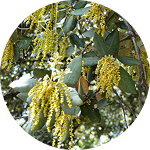
Leaves: Deeply lobed with rounded or pointed edges.
Flowers: Long yellow-green hanging catkins.
Where found: Eastern, Central & Southern U.S.
Peak pollen: March through May, peaking in April. Starts earlier in southern states.
Type: Deciduous
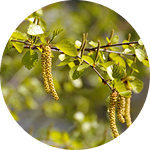
Bark: White or silvery, peeling bark.
Flowers: Slender yellow-brown hanging catkins.
Where found: Northeast, Midwest & Northern U.S.
Peak pollen: March through May, peaking in April. Later in colder northern states.
Type: Deciduous
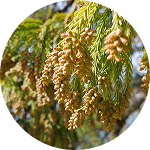
Leaves: Scale-like evergreen foliage.
Flowers: Brown pollen cones that release yellow pollen.
Where found: Southern Plains & Southwest, especially Texas.
Peak pollen: December through February, peaking in January.
Type: Evergreen
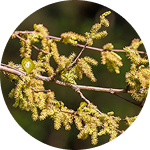
Leaves: Glossy green; oval or lobed with serrated edges.
Flowers: Green hanging catkins.
Where found: Southern, Central & Eastern U.S.
Peak pollen: February through April, peaking in March. Earliest in warmer regions.
Type: Deciduous
Grass pollen is a fine, microscopic particle released by grass that can trigger an allergy when inhaled or when in contact with the skin. Grass pollen is the most common cause of allergies during late spring through summer, roughly May through July, and longer in warm southern climates. Grass season runs longer in warm climates, so check your local pollen forecast for what’s active near you. Some common grass species that can trigger allergies include: Bermuda grass, Johnson grass, Kentucky Bluegrass, Orchard grass, sweet vernal grass, and Timothy grass.
Common allergy triggers:
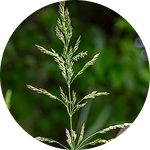
Recognizable by: Boat-shaped leaf tips.
Where found: Lawns, parks, sports fields, and pastures.
Peak pollen: Late spring to early summer.
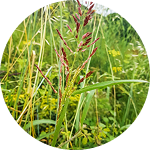
Recognizable by: Wide green leaves with a prominent white midrib.
Where found: Roadsides, fields, and construction sites.
Peak pollen: Summer to early fall.
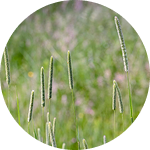
Recognizable by: Dense, cylindrical seed head ("foxtail" spike).
Where found: Hay fields, meadows, and pastures.
Peak pollen: Late spring to summer.
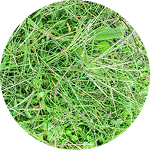
Recognizable by: Fine, gray-green blades with creeping stems.
Where found: Lawns, golf courses, sports fields, and warm climates.
Peak pollen: Late spring to fall.
Weed pollen is the most common cause of allergies in late summer and fall (August to November). However, in warmer climates, weeds can release pollen year-round. Weed timing varies by region and can run year-round in warmer areas, so check your local pollen forecast for your area. Some common weed species that can trigger allergies include: Ragweed, curly dock, pigweed, sagebrush, and Russian thistle.
Common allergy triggers:
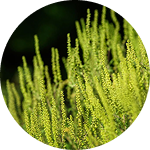
Recognizable by: Tall green flower spikes and deeply divided leaves.
Where found: Roadsides, vacant lots, fields, and gardens.
Peak pollen: Late summer to fall.
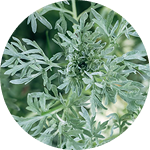
Recognizable by: Silvery-gray, aromatic leaves with a shrubby appearance.
Where found: Dry plains, deserts, and western U.S.
Peak pollen: Late summer to fall.
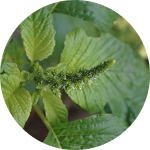
Recognizable by: Spiny branches that form a rounded, bushy plant.
Where found: Dry fields, roadsides, and waste areas.
Peak pollen: Late summer to fall.
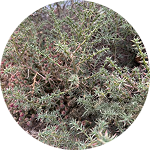
Recognizable by: Broad oval leaves and green flower spikes.
Where found: Fields, gardens, roadsides, and disturbed areas.
Peak pollen: Late summer to fall.
Molds are tiny fungi that thrive in warm, damp environments and reproduce by creating spores that float in the air, just like pollen. Molds can be found indoors and outdoors. In the United States, mold spore counts are often highest in July (in warmer states) and October (in colder states). On the West Coast and in the South, mold spores can be year-round.
Pet dander is tiny flakes of skin cells that are shed by animals with fur or feathers, such as cats, dogs, rabbits, guinea pigs, and birds. In addition to dander, some people may be allergic to proteins found in their pets' saliva, urine, and feces.
Other allergens that can trigger allergies include house dust mites, cockroaches, certain insects, and occupational allergens (e.g., flour, wood dust, or natural rubber latex gloves).
Read about the immune mechanisms behind airborne allergic responses.
Explore regional and seasonal allergy trends and what they mean for you.
Learn how airborne allergens produce symptoms ranging from rhinitis to fatigue.

An allergist can help identify your specific triggers and create a personalized management plan.

Take our allergy test at home. We’ll analyze your sample to measure your response to common allergens.


