How to Know If You Have Dust Mites
You may have dust mites if you notice year-round allergies, skin irritation, or worse symptoms when cleaning. Learn how to protect your home against dust mites and how Quello allergy drops may help.

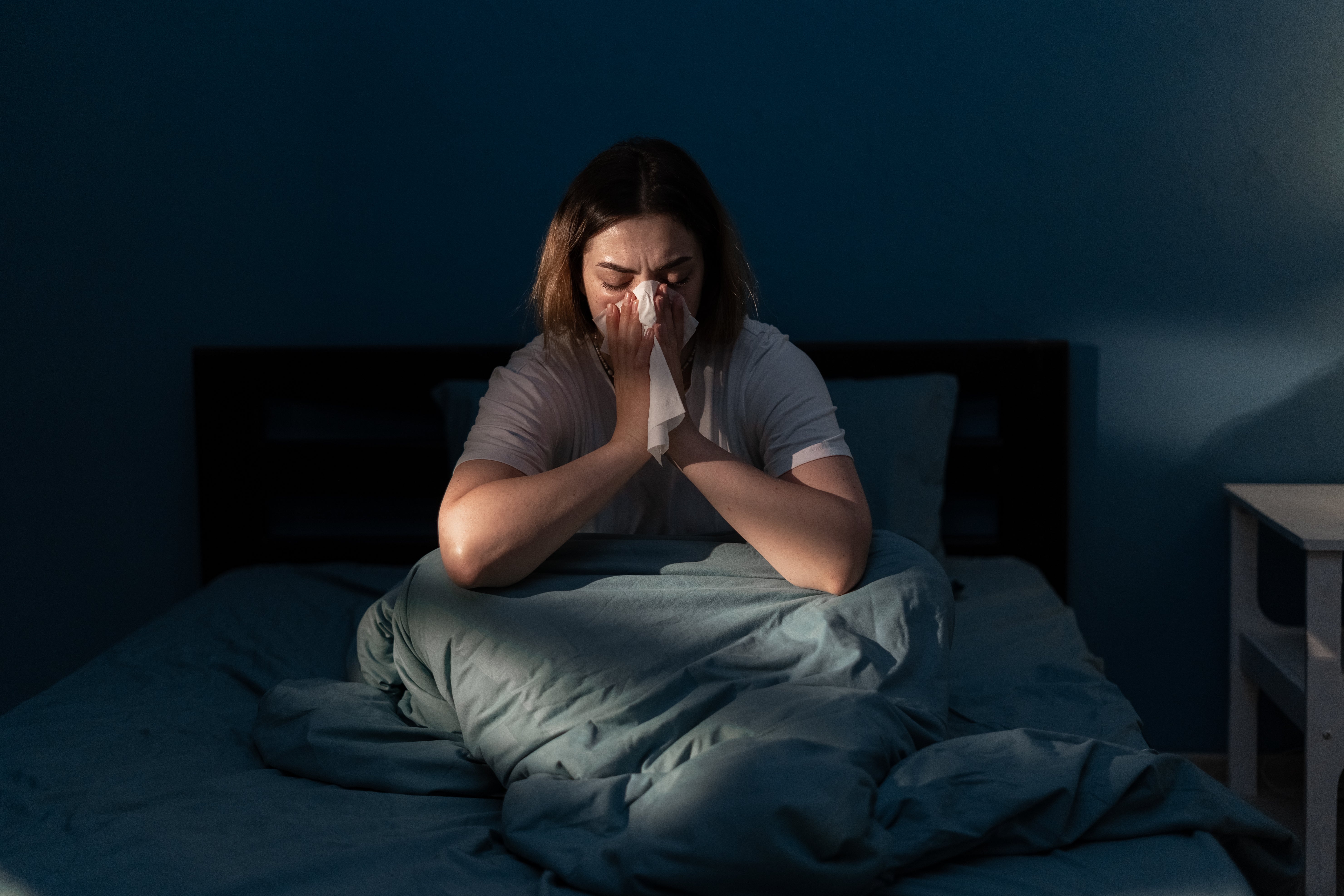
You may have dust mites in your home if you notice your allergy symptoms worsen at night, when you wake up early in the morning, or during cleaning.
This is because dust mites live in pillows, bed covers, blankets, and mattresses, and can trigger allergy symptoms when you come into contact with them.
After reading this article, you will learn what dust mites are, common places they are found, and how they trigger allergies. You’ll also learn how Quello allergy drops help you overcome dust mite allergy.
What Are Dust Mites?
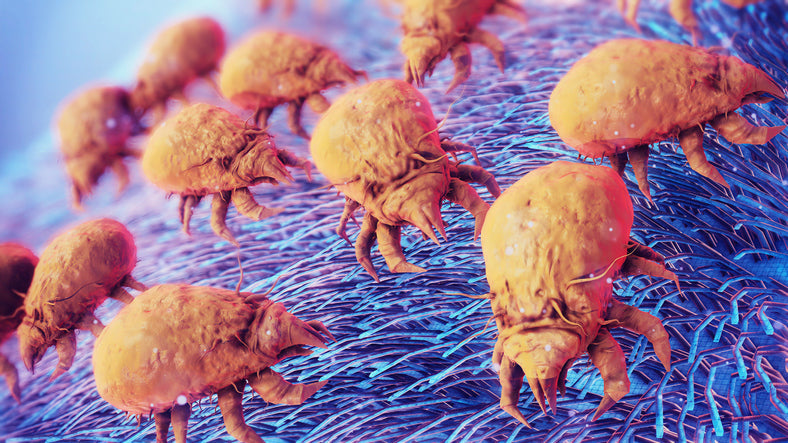
Dust mites, also called bed mites, are very small, insect-like pests that feed on the flakes of dead skin shed by humans and animals (pets) every day.
Dust mites are among the most common indoor allergens and can trigger allergy symptoms year-round. (1)
Common Places Where Dust Mites Are Found
Dust mites thrive in warm, humid environments (temperatures above 70 °F and humidity between 75% and 80%). (2) They are rarely found in dry places.
Dust mites are commonly found in: (3)
-
Beddings (mattresses, pillows, sheets, duvets, mattress toppers)
-
Upholstered furnitures
-
Rugs and carpets
-
Curtains and fabric blinds
-
Stored boxes with books or clothes
-
Areas with poor ventilation (damp basements)
-
Areas with relative humidity below 50%
When you vacuum, sweep, or make the bed, dust mite particles can float into the air and trigger an allergic reaction when inhaled.
How to Know You Have Dust Mites in Your Homes
You cannot see dust mites with your naked eye, so you cannot say for sure that they are really there. However, you may have dust mites if you notice any of the following: (2)
-
Year-long allergies
-
Allergy symptoms worsen at night and on waking up early in the morning,
-
Increased allergy (sneezing, runny nose, or itchy eyes) when cleaning
-
Musty odor in the room
-
Skin irritation occurs when you sit on rugs or upholstered furniture.
-
Presence of molds
To confirm the presence of dust mites, you can purchase a dust mite test kit online and follow the included instructions, or hire an environmental expert to assess dust mite levels in your home.
Are Dust Mites Harmful?
Dust mites themselves are not parasitic, so feeding off the dead skins of humans and pets does not directly cause any harm. (4)
However, inhaling dust mite allergens can trigger symptoms such as a runny nose, watery eyes, a persistent cough, and nasal congestion. In some cases, dust mites can even trigger a severe asthma attack.
What are dust mite allergies?
Dust mite allergies are simply allergies that occur as a result of a reaction to the dust mite allergens (the waste or droppings of the dust mites). (2)
These allergens commonly live in household dust, and the process of cleaning can stir up these dust particles, making them easier to inhale and may trigger an allergic reaction.
Dust mite allergies are found worldwide and affect up to 20 million people in the United States of America. (2)
You may be more likely to develop dust allergy if you have a family history of allergy or are exposed to very high levels of dust mites. (2)

Dust Allergy Symptoms
If left untreated or the source of allergens is not removed, the symptoms of dust mite allergies can persist year-round.
Dust allergy symptoms are more likely to occur when you are in bed or early in the morning, because dust mites are commonly found in bedding.
Some common symptoms of dust mites include: (2)
-
Runny or stuffy nose
-
Persistent sneezing
-
Red, itchy, or watery eyes
-
Wheezing or shortness of breath
-
Itchy skin
-
Constant fatigue
-
Coughing
-
Itchy mouth or throat
-
Poor sleep due to other allergy symptoms and shortness of breath

How to Protect Against Dust Mites
The best way to protect your household from dust mites is to reduce the conditions that allow them to thrive and the places where they can live. You can do this by:
1. Keep the humidity in your home below 50% by using an air conditioner or dehumidifier to remove moisture from the air.
2. Dust regularly with a damp washcloth or microfiber cloth to reduce the number of dust mite particles stirred up.

3. Wash bedding in hot water (130-140°F) at least once a week to kill and wash away dust mites.
4. If possible, replace carpets with hard-surface flooring. If you can’t replace the carpets, vacuum weekly with a HEPA (High-Efficiency Particulate Air) filter.
5. Use dust-mite-proof mattresses and pillowcases to prevent dust mites from penetrating.
6. Consider using acaricides, a chemical used to kill dust mites. However, there are safety concerns about using these chemicals at home.
Treatment of Dust Mite Allergies
If you have dust mite allergies, the best way to manage them is to: (2)
Avoid dust-mite allergens by protecting your home against dust mites.
-
Using allergen immunotherapy (allergy drops and shots)
-
Using allergy medications like antihistamines and inhaled or intranasal corticosteroids.

Get Rid of Dust Mite Allergies with Quello Allergy Drops
Using Quello allergy drops, in addition to protecting your living space from household dust mites, is one of the best ways to get rid of dust mite allergies forever.
Quello allergy drops will retrain your immune system to react less strongly to dust mite allergens, which can reduce allergy symptoms and, over time, eliminate persistent dust mite allergies.
Not sure if your allergies are due to dust mites?
Take our free allergy test to get started.
Have more questions? Visit our FAQs for quick answers or schedule a free consultation with one of our allergy specialists.



Overcome your allergies at home with our doctor-led therapy.
Get started with our free allergy test kitGet Started with no test needed.
Overcome your allergies at home with our doctor-led therapy.
Get started with our free allergy test kitGet Started with no test needed.