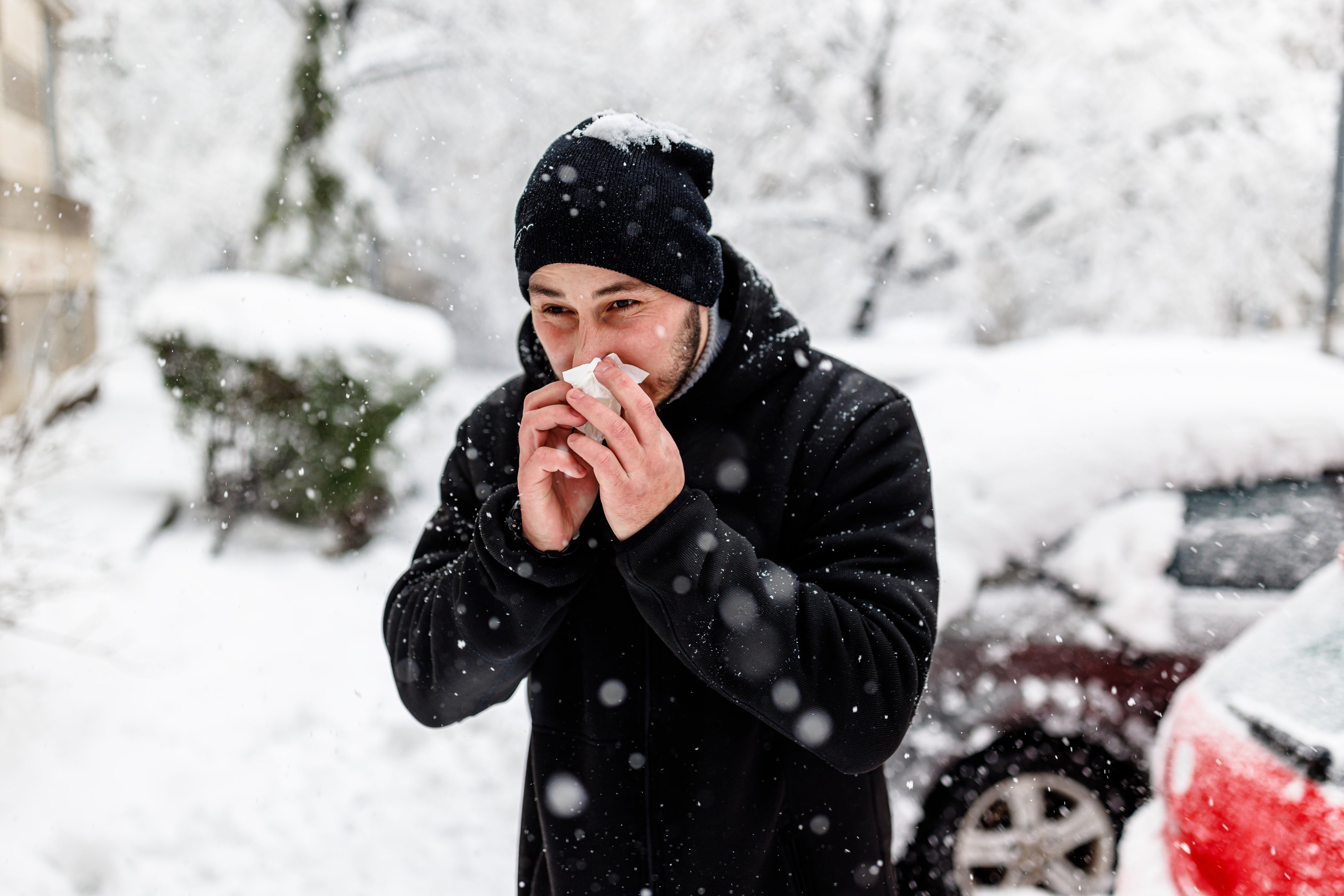
Seasonal Allergies in Winter: What They Are, Causes, and How to Get Rid of Them
In winter, cold and flu can be hard to tell apart from allergies because they have similar symptoms. Learn the signs of winter allergies, how to treat them, and the best ways to get rid of them.

Winter is generally not associated with pollen allergies. However, indoor allergens, such as mold, dust mites, and pet dander, increase during the winter months. This corresponds to the “winter allergy season,” which generally lasts from late November through early March.
That said, in some parts of the United States, people also experience winter allergies from both outdoor and indoor allergens. For example, some people in the Southwestern United States, including Texas, Oklahoma, Arizona, New Mexico, and parts of Missouri, experience cedar fever, a type of winter allergy triggered by pollen from the Ashe juniper tree. (1)
Common symptoms of winter allergy
Some symptoms of winter allergy may include:
-
Watery or itchy eyes
-
Itchy nose
-
Coughing
-
Runny or stuffy nose
-
Sneezing
-
Sore or itchy throat
-
Dark circles under the eyes
-
Allergy headaches or morning headaches
Causes of winter allergies
Indoor allergens are often the cause of most winter allergies. (2) Indoor allergens are usually present year-round; however, they tend to become more problematic during winter, when people spend more time indoors due to the weather.
Some other reasons for increased allergies during winter include:
-
Limited winter ventilation to conserve heat can trap some allergens inside.
-
Heated air systems (central heating) dry out the air, which can irritate your nose and worsen allergy symptoms.
-
Increased indoor humidity increases dust mite levels and mold growth. (3, 4)
Common indoor allergens that may cause winter allergies include dust mites, molds, pet dander, saliva or urine, mice, and cockroaches.
There are also winter allergies that can be due to outdoor allergens. (5) The Ashe Juniper tree, also known as mountain cedar, can also trigger winter allergies during the colder months.
Cedar pollen allergies are most severe from December to February in areas where cedar trees are present, like Texas, Kansas, Utah and California.

Ways get rid of winter allergies symptoms
Some ways to minimize winter allergies include:
-
Consider using an artificial christmas tree instead of live ones, which can host molds.
-
Remove curtains, carpet, and wallpaper that may contain mold.
-
Use a HEPA air filter to help remove airborne allergens.
-
Use allergy-proof covers on mattresses, pillows and comforters.
-
Keep the humidity in your home below 50%.
-
Replace carpets with wood, tile or linoleum.
-
Fix any leaks to keep moisture from building up.
-
Keep pets out of your bedding to reduce exposure to pet dander.
-
Vacuum and dust regularly to prevent allergens from accumulating.
-
Speak to your allergist to recommend an allergy treatment plan.
Treatments for winter allergies
-
Take over-the-counter (OTC) or prescription-only allergy medication: Antihistamines and steroid nasal sprays can help reduce winter allergy symptoms. You can also use Tylenol to manage the morning headaches.
-
Use a neti pot or nasal irrigation: This involves using clean, distilled water to flush allergens from the nasal passages.
-
Get allergy shots or drops: If your winter allergies are quite severe or you are not getting relief, allergy drops or shots may help. Allergy immunotherapy work by exposing you to very small amounts of allergens regularly, which can help build your body’s immunity.
If you start taking allergy drops in the spring or fall, your body may be less reactive to allergens in the winter. This means most of your winter allergy symptoms will be reduced or even gone.
Keep in mind that allergy drops or shots are not intended for immediate relief of allergy symptoms. However, it is also fine to start allergy drops in the winter. Your healthcare provider will likely recommend other OTC or prescription allergy treatments to manage your symptoms while the effect of the allergy drops kicks in.

Winter allergies or cold?
In winter, cold and flu can often be harder to tell apart from allergies, as they share similar symptoms. The main difference, however, is in its duration and the presence of fever.
A cold usually doesn't last for more than 10 days. In comparison, allergies can stretch to weeks or even months. Colds and flu may also present with fever and aches, which is not common with allergies. Always consult your doctor if your cold lasts beyond a few days.
Here’s a table to help you distinguish between common cold, flu and winter allergies: (6)
|
Symptoms |
Cold |
Flu |
Winter allergies |
|
Headaches |
Uncommon |
Yes |
Yes, but uncommon |
|
Cough |
Common |
Common |
Sometimes |
|
Stuffy, Runny Nose |
Common |
Sometimes |
Common |
|
Fatigue |
Yes |
Yes, can last up to 3 weeks |
Yes |
|
Sore throat |
Common |
Sometimes |
Sometimes |
|
General body aches and pain |
Slight |
Common; often severe |
Never |
|
Fever |
Rare |
Usually high (100–102 °F), it can last up to 4 days. |
Never |
Say Goodbye to Winter Allergies With Quello Drops
Quello Allergy Drops are designed to target common culprits of winter allergies, such as mold, pet dander, cockroaches, and dust mites. Your personalized Quello treatment formula works by gently training your immune system to react less to your winter allergy triggers, providing long-lasting allergy relief.
If you’re not sure which allergens are triggering your winter symptoms, start with our free at-home allergy test kit. Once you receive your results, you can schedule a call with our board-certified allergist, who will walk you through your triggers and help prepare a personalized allergy drop plan tailored to your needs.
Ready to start a winter-free allergy season? Contact Quello today.
FAQs
1. Can you have allergies in winter?
Yes, you can. Allergies are usually year-round. However, while summer, fall, and spring allergies are mostly due to pollen, winter allergies are mostly due to indoor allergens such as pet dander, dust mites, and molds.
2. When Is Winter Allergy Season?
The winter allergy season lasts from November through March, coinciding with the winter months when people spend more time indoors. During this period, allergens such as dust mites, pet dander, and mold spores are more concentrated indoors.
In some parts of the US, especially the Southwest, winter allergies are more noticeable in January. This is due to the winter pollination of trees such as alder, hazel, and juniper. For example, the peak pollen release for Ashe juniper trees occurs in mid-January.
3. What month has the worst allergies?
In general, spring (February to June) and fall (August to November) are the worst months for allergies. This is because trees, grass and weeds actively release their pollen at this time.
That said, the ‘exact’ worst month for your allergies will depend on the allergen to which you are more susceptible to and your location.



Overcome your allergies at home with our doctor-led therapy.
Get started with our free allergy test kitGet Started with no test needed.
Overcome your allergies at home with our doctor-led therapy.
Get started with our free allergy test kitGet Started with no test needed.