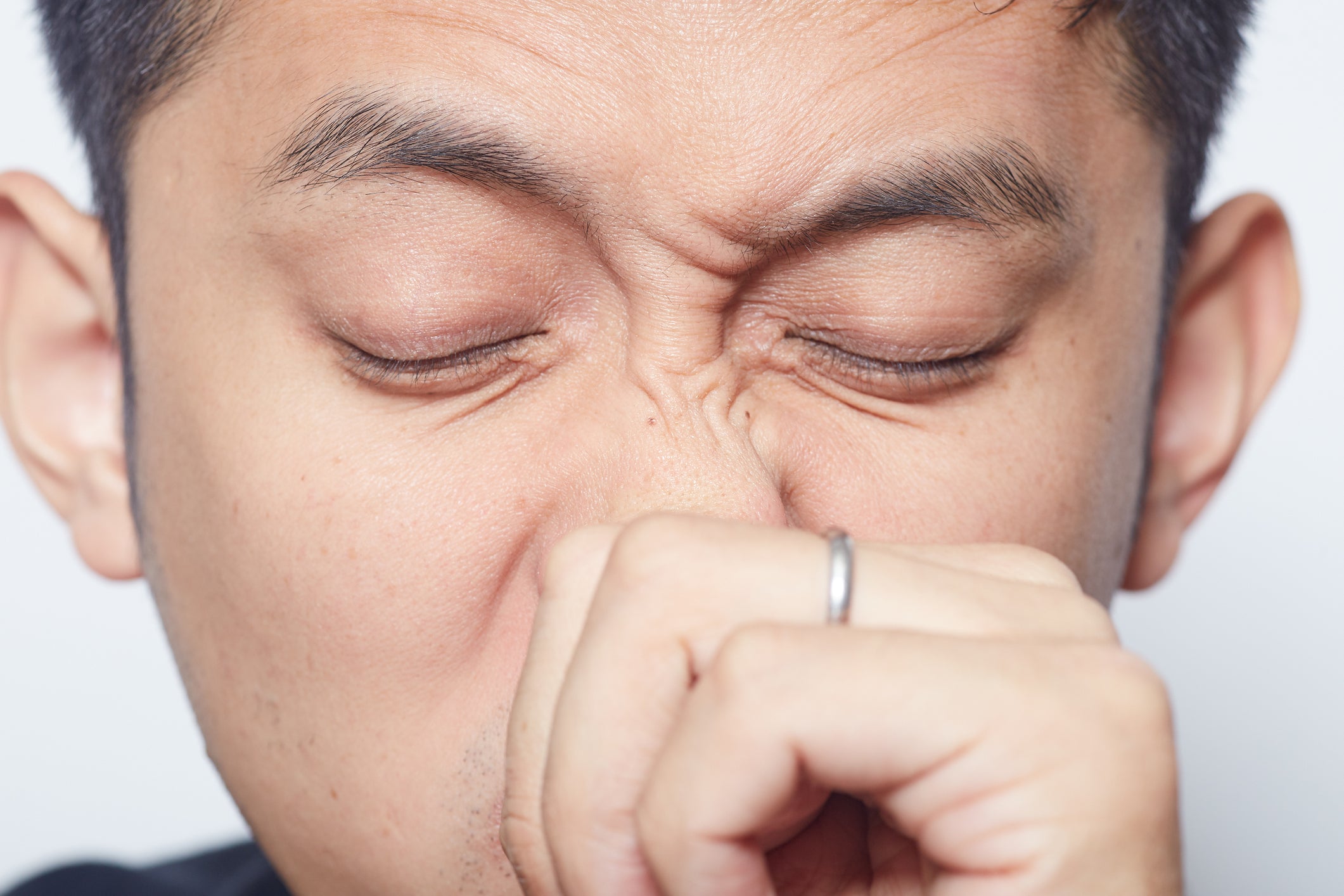
Is My Nose Itchy Because of Allergies?
Itchy nose is commonly associated with allergies but it can also be caused by infections or exposure to other airborne irritants. Read on to find out what may be triggering your allergies and how to stop your nose from itching.

Does your nose constantly itch or tickle from the inside or outside? You may have an itchy nose, also known as nasal pruritus. (1)
While an itchy nose is common in people with allergies, it can also be caused by other health conditions or environmental factors. (2, 3) For example, an Itchy nose can also signal exposure to certain environmental irritants or nasal dryness. (4, 5)
What is an Itchy Nose?
An itchy nose is an irritating or tickling sensation in or around the nose that makes you want to scratch or rub it, almost instinctively. (6)
This condition is commonly associated with allergic rhinitis, but it can also be caused by infections or exposure to other airborne irritants. (6)
Causes of an Itchy Nose
Some common causes of an itchy nose include:
1. Allergens
If you have allergies and are exposed to or inhale allergens such as pollen, pet dander, or mold spores, this triggers the release of histamine, which causes itching. (1) Some studies note that histamine-related nasal allergy can start very quickly, sometimes even within seconds of exposure. (1)
2. Dry air
Dry air can reduce nasal moisture. When your nasal passages get too dry, your nasal tissues become inflamed or irritated, which can make your nose feel itchy. A dry nose is often worse in winter.
3. Other airborne substances
Other environmental irritants that can trigger an itchy nose include:
-
Smoke
-
Perfumes
-
Exhaust fume
-
Cleaning products

How to Tell If Allergies Cause Your Itchy Nose
The only sure way to tell if an allergy causes your itchy nose is to see an ear, nose and throat doctor (otolaryngologist) to rule out other causes or an allergist to determine whether you are allergic to a substance in your environment.
That said, here are other tell-tale signs your itchy nose may be due to allergy:
-
You have other allergy symptoms, including a runny nose, stuffy nose, sneezing, watery or itchy eyes and postnasal drip. (7)
-
Your symptoms appear suddenly, seem seasonal, or recur when you’re in a particular environment.
-
Symptoms start after exposure to pollen, dust, mold, or pets.
Remedies for Itchy Nose
There are three main ways you can manage an itchy nose.

1. Avoid or reduce exposure to triggers.
One way to reduce an itchy nose is to reduce exposure to triggers. For example, if allergens trigger your itchy nose, you can stay indoors on high-pollen days, shower after being outdoors, and take steps to reduce indoor allergens such as dust mites, mold, and pet dander.
If dry air is causing your itchy nose, a saline nasal spray or gel may help relieve dryness and irritation. Consider using a humidifier if the indoor air is very dry.
2. Relieve symptoms with medications or other treatments.
Some medications that can help reduce an itchy nose include: (1)
- Antihistamines: If your itchy nose is triggered by histamine release, then oral antihistamines such as Claritin (loratadine)n or Zyrtec (cetirizine) can block histamine to stop the itching. However, antihistamines can only help an itchy nose caused by histamines. (1)
- Intranasal corticosteroid spray: These sprays can help reduce inflammation and itching. Some studies suggest that intranasal corticosteroids are more effective than antihistamines at reducing nasal itching. (1) Examples include Flonase (fluticasone) and Nasacort (triamcinolone).
- Home remedies: Saline nasal rinses may help relieve an itchy nose by flushing allergens and irritants and moisturizing the nasal passages. Steam inhalation may also help soothe dryness and irritation.
3. Treat the Underlying Cause
The best way to reduce how frequently you get an itchy nose is to address the root cause.
If allergies cause your itchy nose, identifying and reducing exposure to your triggers can help.
Quello’s team is committed to helping you better understand the allergens in your environment, making it easier to recognize patterns between your symptoms and potential triggers of your itchy nose.
We offer free allergy testing that specifically tests for allergens such as pollen (trees, weeds, and grasses), pet dander, household insects (such as cockroaches), dust mites, and molds. If any of these allergens are triggering your itchiness, we can identify them and start the right treatment.

Get Long-Term Allergy Relief With Quello Allergy Drops
If ongoing allergy symptoms are affecting your daily life and you’re looking for an alternative to frequent allergy medications, Quello allergy drops are worth exploring.
Our goal at Quello is to help you find lasting allergy relief so you can enjoy every activity you want (indoors or outdoors) without constant symptoms getting in the way.
Quello allergy drops address the root cause of allergies, which can help reduce your reliance on daily medications and help lessen symptoms over time.
Have more questions? Visit our FAQs for quick answers, or schedule a free consultation with our allergy specialists.
FAQs
Is Nasal Itching a Sign of Allergies?
Yes, nasal itching is a sign of allergies, but not all itchy noses are caused by allergies. Other factors, such as dry air and environmental irritants like smoke or perfumes, can also cause an itchy nose.
Why is my nose itching inside?
Your nose may itch from the inside due to irritation in your nasal lining. Common triggers can include allergies, dry air, smoke, fragrances, and respiratory infections.
How do I stop the inside of my nose from itching?
You can stop your nose from itching by identifying the root cause. Once you identify this cause, avoiding known triggers, using a saline nasal spray or rinse, and keeping your nasal passages moisturized can help. If allergies are causing the itch, antihistamines or other allergy treatments, such as sublingual or subcutaneous immunotherapy, may also help.
Suggested reading




Overcome your allergies at home with our doctor-led therapy.
Get started with our free allergy test kitGet Started with no test needed.
Overcome your allergies at home with our doctor-led therapy.
Get started with our free allergy test kitGet Started with no test needed.