
5 Tips to Survive Summer Allergy Season

The best summer allergy tips for an allergy-free summer are avoidance and allergen immunotherapy using allergy drops or allergy shots.
While many people get worse allergies in the spring (especially March through May), summer allergies are also a thing and can turn your outdoorsy season into a nightmare.
Summer allergies typically begin in June and can last till September, but allergy symptoms peak in June and July.
If you are an allergy sufferer and want to enjoy hiking, mountaineering, or the outdoors this summer, we have listed 5 tips that can help you manage pollen allergies this season.
What Causes Summer Allergies
Summer allergies are often triggered by pollen particles, especially when outdoors. This allergen exposure can sensitize the immune system and trigger allergy symptoms.
Indoor allergens can also trigger an allergic reaction, causing symptoms such as a runny or stuffy nose, sneezing, nasal congestion, and itchy eyes or throat.
Common allergy triggers during the summer months include:
Trees, weeds, and certain grasses
Grasses (Bermuda, rye) and weeds (ragweed) are the main allergy triggers in summer. (1, 2, 3). Pollens from trees like elm, maple, and sycamore can also trigger summer allergies.
Mold
Mold spores can cause year-long allergies, including in summer, for people who live in buildings with too much moisture. (1)
Dust mite and pet dander
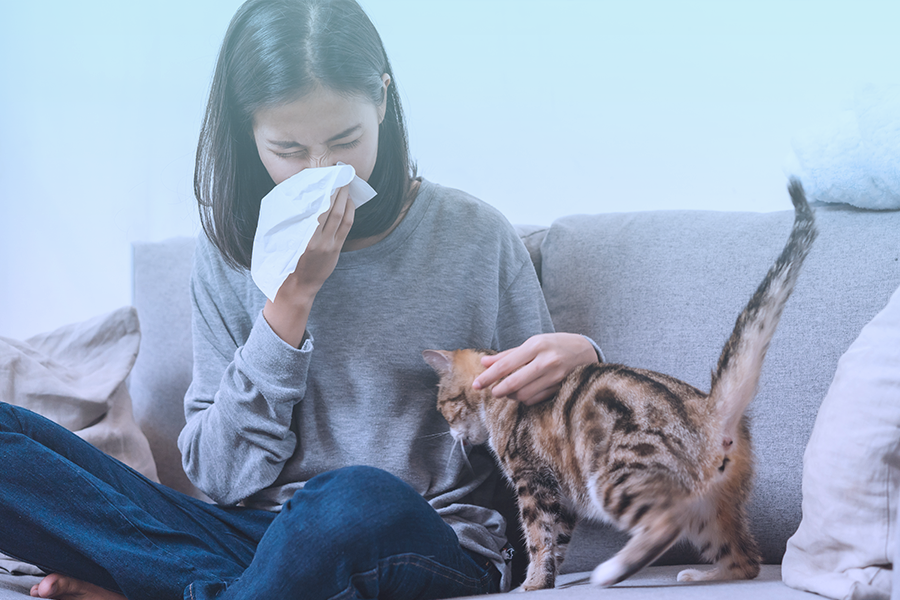
Just like mold, other indoor allergens, such as dust mites and pet dander, also trigger allergies in the summer. This is because these allergens are present in the air year-round, especially if you live with a pet or in a place that allows them to thrive (relative humidity >50).

Simple Tips to Reduce Summer Allergies
Some simple ways you can reduce your summer allergy symptoms to make the most of the season include:
1. Check the pollen count before heading out
Paying attention to the pollen count in your area can help. Generally, pollen levels tend to dip when the sun goes down, so you can save outdoor activities for late afternoon in the summer. (4)
2. Keep your grass low
If grass pollen is your main allergy trigger, keeping your grass low can help reduce pollen. However, if you are mowing the grass yourself, don’t forget to wear a mask (preferably an N95 mask and eye protection as mowing can also stir up pollen.
3. Shower after being outdoors
Shower and change your clothes after being outdoors to avoid bringing pollen indoors, which can worsen your allergy symptoms.
4. Use allergy medications
Allergy medications, such as antihistamines or nasal steroids, can also help you relieve your allergies. However, if you are using nasal steroid sprays, it may be best to start just before summer or at the start of the season.
Keep in mind that some allergy medicines may be better suited to mild symptoms rather than severe symptoms.
5. Consider Immunotherapy
If you have severe summer allergies or want longer-lasting relief, allergen immunotherapy with allergy drops or allergy shots may be more suitable.
Personalized allergen immunotherapy during summer may include controlled doses of grass or tree pollen allergens, dust mites, or insect venoms. It may take at least 4 years to complete allergen-specific immunotherapy.
6. Change AC Filters regularly
If your AC is clogged, it could recirculate trapped particles such as dust, pet dander, or mold spores back into the air, which can trigger allergy symptoms. Ideally, you should replace your AC filters every three months, although some brand filters can last longer.

Have an Allergy-Free Summer With Quello Allergy Drops
At Quello, our goal is to help you overcome allergies so you can enjoy every season: spring, summer, fall, and winter, without constant symptoms getting in the way.
Getting started with Quello is simple:
-
Get tested: Start with our free allergy testing.
-
Talk to a specialist: Connect with a Quello allergy provider to review your results.
-
Receive your personalized drops: Get a treatment plan tailored to your allergies.
Have more questions? Visit our FAQs for quick answers or schedule a free consultation with one of our allergy specialists.

FAQs
Why am I having allergies in the summer?
You may be having allergies in summer due to pollen from trees and grass in the air. While most trees and grasses release their pollen in the spring, some continue releasing pollen into summer.
You also tend to spend more time outdoors during summer, which increases your exposure to pollens. In addition, the summer is warmer, so you also tend to leave your windows open at this time, which can let allergens in.
Indoor allergens like dust mites, molds, and pet dander are year-round and can also trigger allergies even in the summer, if you are exposed to them.
What is the most common allergy in the summer?
Grass pollen is the most common allergy in early summer, while ragweed is the most common allergy in late summer.
How long does summer allergy last?
Summer allergies often last from June through September, but especially peak in June and July. However, ragweed allergies are most severe in September.
How often should I change my air conditioner filter?
Ideally, you should replace your AC filters every 3 months to prevent them from clogging and circulating allergens such as dust, pet dander, and mold spores. However, some brand filters can last longer.


Overcome your allergies at home with our doctor-led therapy.
Get started with our free allergy test kitGet Started with no test needed.
Overcome your allergies at home with our doctor-led therapy.
Get started with our free allergy test kitGet Started with no test needed.