How to Manage Spring Allergies
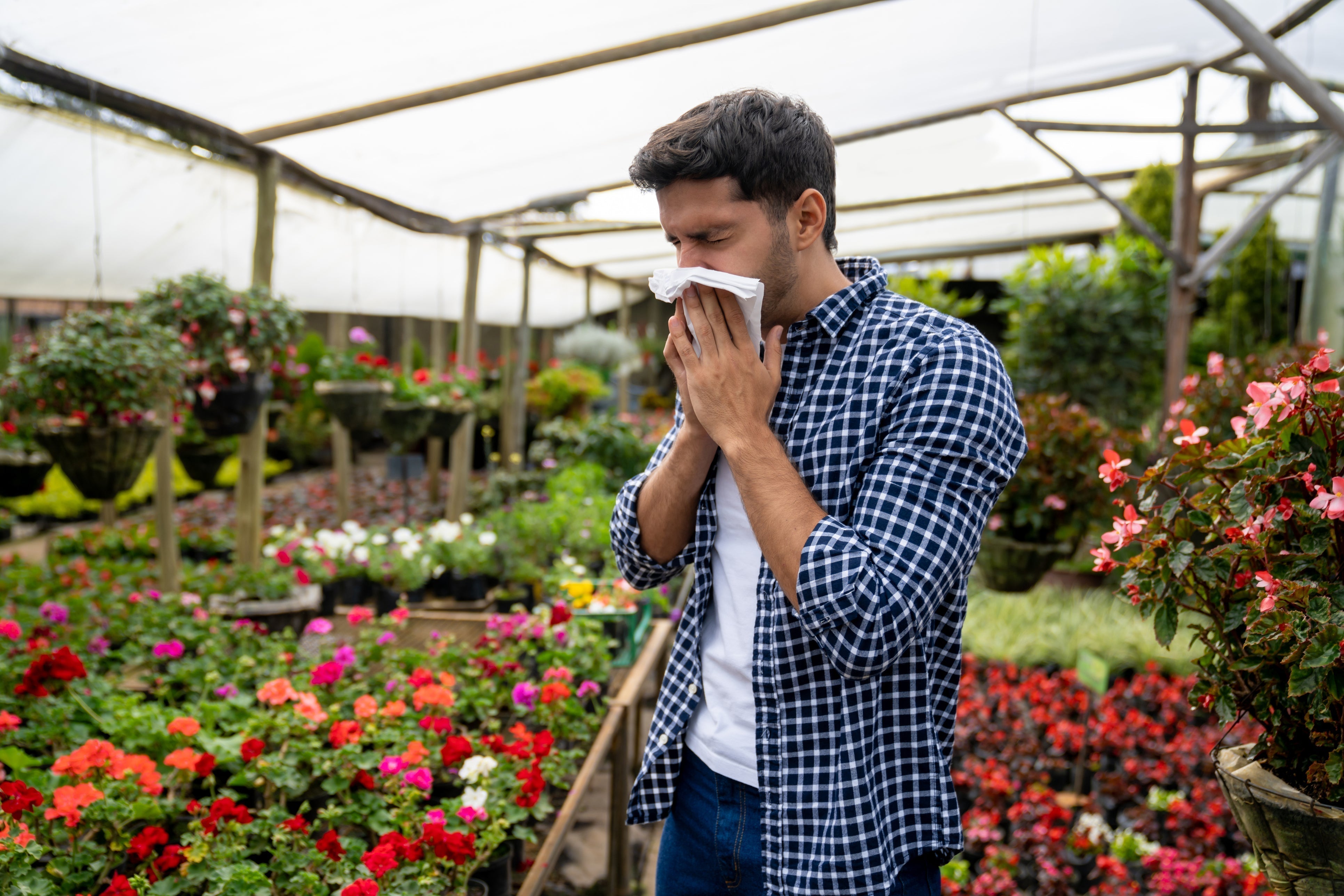
Spring is one of the most beautiful seasons. Flowers bloom, cherry blossoms appear, the days get longer, and the weather finally begins to warm. But for millions of people, spring also marks the start of frustrating allergy symptoms.
Read to find out how to find temporary and lasting allergy relief this spring.

Spring allergies affect millions of Americans each year and can make enjoying the outdoors difficult. (1) For many, springtime means constant sniffles, sneezing and wheezing.
Spring is a time of bloom, freshly mown lawn and flowers blossoming. However, it's also the start of the spring allergy season, which typically begins in February and can last through summer. (2)
This article will help you prepare for and survive spring allergies. We will also show you how Quello allergy drop can help you enjoy spring without dreadful allergies.

What are Spring Allergies?
Spring allergies are caused by the release of significant amounts of pollen from trees, grasses, and weeds. February to May are the months when the most pollen allergens are released, leading to the highest allergy symptom levels of the year for most people.
Symptoms of spring allergies are caused by an overreaction in the immune system to these airborne particles, triggering an allergic reaction.
In many parts of the country, spring allergies typically begin in February and can last until early summer.
Symptoms of Spring Allergies
Some symptoms of spring allergies include:
-
Sneezing after exposure to flowers or trees
-
Runny or stuffy nose after being outdoors
-
Itchy or watery eyes triggered by airborne pollen from trees
-
Scratchy throat after spending time outdoors
-
Postnasal drip, which may worsen during peak pollen days
Is it a spring allergy or is it a cold?
Spring allergies and a cold can feel similar. They both cause congestion, sneezing, a sore throat, and a headache. However, if you notice you have a fever and body aches, you might probably have a cold or a virus.

The duration of symptoms is another important characteristic that distinguishes between spring allergies and a cold. While cold symptoms last a few days, allergy symptoms can last much longer.
Another telltale sign you might have a spring allergy is if you notice your allergies worsen after being outdoors or exposed to pollen.
Common Causes of Spring Allergies
Tree pollens are the most common cause of spring allergies, particularly Birch, cedar, cottonwood and pine trees. (2)
Other trees that may trigger spring allergy symptoms include:
-
Aspen
-
Beech
-
Ash
-
Mulberry
-
Hickory
-
Elm
-
Maple
-
willow
Pollen from weeds and grass can also trigger spring allergies, overlapping with the tree pollen season, especially in late spring and summer. (3)

Tips to Survive Spring Allergies
Here are some ways to manage spring allergies: (1)
1. Keep pollen out
Do your best not to bring pollen indoors by:
-
Taking a shower after spending time outdoors
-
Washing your hair and changing your clothes after being outdoors
-
Closing windows during days with high pollen count or windy days
-
Wiping down pets with a towel after they have been outdoors
-
Avoid drying clothes or bedding outside in the spring
-
Using air conditioning instead of leaving windows open
-
Spring-cleaning to remove dust mites, molds, and pet dander.
2. Start Allergy Medications Early
Use antihistamines at the first sign of spring allergy symptoms, as they appear to help reduce symptoms before they worsen. Other allergy medications you can consider are nasal steroid sprays and decongestants (for short-term use only).
3. Use Immunotherapy
Allergen immunotherapy, including allergy shots or allergy drops are one of the most helpful and lasting ways to manage springtime allergies. Immunotherapy not only helps with your symptoms but also modifies your body's reaction to the underlying immune response, making you feel less allergic over time.
Quello allergy drops offer a convenient form of immunotherapy that can be taken at home to help manage spring allergies and other seasonal allergy symptoms without frequent clinic visits.
4. Avoid Pollen
In the spring, tree and grass pollen levels are highest in the evening and on windy days. If you can, limit moving around at such times. It may also help to use a pollen tracker before stepping out.
5. Wear a filter Mask when outdoors
Wearing a NIOSH-rated 95 filter mask when mowing the lawn or taking walks outdoors may help reduce pollen exposure to your airways.
Have an Allergy-Free Spring With Quello Allergy Drops
Don’t let seasonal allergies keep you from enjoying the outdoors this spring.

At Quello, we believe everyone deserves relief from allergies, no matter the season or where they live. Our goal is to help you find lasting allergy relief so you can enjoy every season: spring, summer, fall, and winter, without constant symptoms getting in the way.
Getting started with Quello is simple:
-
Order your free allergy test kit — all you have to do is pay shipping! Or take your test elsewhere and send us the results.
-
Complete the test and send it our way. You’ll go over your test results and unique allergy history with one of our specialty-trained, licensed providers.
-
Receive your customized allergy drops, take them daily, and start your journey to an allergy-free life.
Have more questions? Visit our FAQs for quick answers or schedule a free consultation with one of our allergy specialists.


Overcome your allergies at home with our doctor-led therapy.
Get started with our free allergy test kitGet Started with no test needed.
Overcome your allergies at home with our doctor-led therapy.
Get started with our free allergy test kitGet Started with no test needed.