
7 Ways to Know You Have Seasonal Allergies
Symptoms of a cold, flu, and seasonal allergies can sometimes overlap, making it easy to mistake one for another and delay the right treatment. This article explains how to tell the difference between a cold, the flu, and seasonal allergies.

Symptoms of cold, flu and seasonal allergies sometimes overlap. Hence, knowing the clear signs can help you start the right treatment.
For example, do you have a runny nose, sneeze, and experience post-nasal drip? You must have a cold or flu, right?
Well, wrong.
Here are 7 ways to tell you may be experiencing seasonal allergies, not a cold or flu.
1. You Experience Multiple Allergy Symptoms
Seasonal allergies rarely cause just a single symptom. This is because the immune system releases chemicals such as histamines, leukotrienes and prostaglandins in response to allergens, which can trigger a cluster of allergic symptoms.
You may notice the following symptoms almost at the same time if you have seasonal allergies: (1)
-
Runny nose
-
Itchy, watery eyes
-
Tickly throat
-
Nasal congestion
-
Coughing
-
Sneezing
-
Post-nasal drip
2. You Have Itchy Eyes, Nose, Ears and Throat
Cold, flu, and seasonal allergies often have overlapping symptoms such as a runny nose, coughing, and postnasal drip.
However, if you notice your eyes, nose, ears, or throat itching, you likely have seasonal allergies. (2) This is because itchy, watery eyes are not normally common with a cold or flu.

3. Your Symptoms seem to only occur at a certain time every year
If you notice that symptoms such as itchy eyes, sneezing, runny nose or post-nasal drip occur during a particular season or certain times in the year, then you may have seasonal allergies.
This is because, in different seasons, plants produce different types of pollen, which can trigger allergy symptoms depending on when they are most in the air. (3)
For example:
-
Tree pollen may trigger allergies in the spring.
-
Grass pollen triggers allergies in late spring and summer.
-
Ragweed pollen and other weeds trigger allergies from late summer through fall.
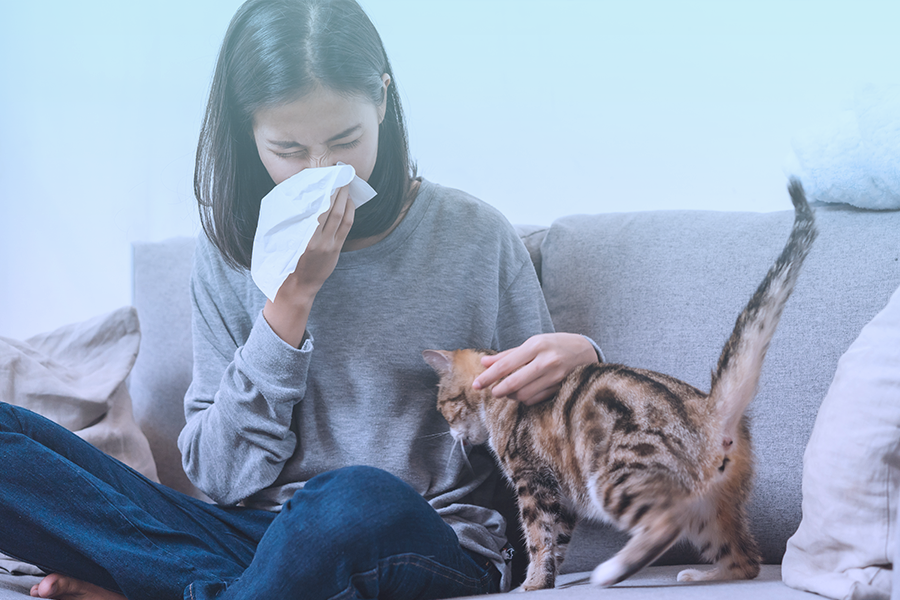
In the winter, if you notice that your symptoms flare up despite being indoors, your allergy may be triggered by indoor allergens such as mold spores, dust mites and pet dander. (4)
4. Your Symptoms last for weeks rather than days
If your symptoms last beyond two weeks, you are likely dealing with a seasonal allergy rather than a cold or flu, as symptoms of those rarely extend beyond two weeks. (2)
Symptoms of allergies usually last as long as you are exposed to the allergen, which may be as long as 6 weeks if you are reacting to pollens. (2) However, the exact duration may depend on the timing and intensity of the pollen season where you live.
5. A Fever doesn’t accompany your symptoms
If you notice a high fever that lasts a couple of days, accompanied by symptoms such as sneezing, a runny nose or postnasal drip, you may have the flu. (2) A fever does not usually accompany allergy symptoms.
6. Your Symptoms Flare Up When Outdoors
If your symptoms worsen or flare up after spending time outdoors, especially in parks or gardens, or on high-pollen days, seasonal allergies may be to blame. This is because when outdoors, allergens like tree, grass and weed pollen are more likely to trigger itchy eyes, sneezing and a runny nose.
7. Get Tested for Allergies
The only way to know for sure that you have an allergy is to get tested. If you notice your symptoms are consistent with seasonal allergies, it's important to contact an allergist and not treat it like you would a cold or flu.
Your allergist will help you determine whether you have allergies, which allergens are most likely to trigger symptoms, and which treatment will work best for your specific allergic profile and lifestyle.
Still not sure if it's time to see an allergist? Here's a quick seasonal allergy checklist to help you decide.


Start Your Journey to Lasting Seasonal Allergy Relief Today with Quello
If ongoing allergy symptoms are affecting your daily life and you’re looking for an alternative to frequent allergy medications, Quello allergy drops are worth exploring.
Our goal at Quello is to help you find lasting allergy relief so you can enjoy every activity you want (indoors or outdoors) without constant symptoms getting in the way.
Have more questions? Visit our FAQs for quick answers, or schedule a free consultation with our allergy specialists


Overcome your allergies at home with our doctor-led therapy.
Get started with our free allergy test kitGet Started with no test needed.
Overcome your allergies at home with our doctor-led therapy.
Get started with our free allergy test kitGet Started with no test needed.